Diverse Project Teams Drive Success
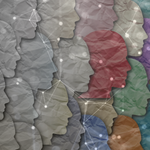
Every day, projects within organizations are either succeeding or failing based on a number of internal and external factors. Yet, there is this secret ingredient that remains true for high-performing teams: Their diversity!
No, it’s not just race or gender (though these are two dimensions of diversity where groups are often underrepresented across leadership or project teams). Naturally, every person on a project team brings a unique perspective and expertise that others on the team may not have.
The Google Project Management Course on Coursera defines a project team as “a cross-functional group of individuals, including a project manager, team leaders, and team members, who collaborate to achieve a common project goal.” An extensive project team may be made up of a project manager keeping things on track, analysts crunching numbers, designers bringing ideas to life, developers making things work, and marketers ensuring the message lands. What a diverse group of people coming together–with different skills, strengths, and ways of thinking! Although they are there for skill and role, people that make up the project team also bring their background and life experiences developed both outside and inside the workplace.
Now we can add layers like race, culture, gender identity, disability, veteran status, and more; the potential for innovation will continue to increase and positively impact outcomes. When people from different cultures, identities, and abilities collaborate, they challenge each other’s assumptions, reduce groupthink, and bring creative solutions to the table. Let’s review the supporting research.
A 2020 study by McKinsey found that companies in the top quartile for gender diversity are 25% more likely to outperform their peers, while those leading in ethnic diversity are 36% more likely to achieve above-average profitability. Similarly, a Boston Consulting Group study discovered that companies with above-average diversity in leadership teams report 19% higher revenue from innovation.
Stronger and more meaningful outcomes are the result when people with different lived experiences collaborate. But wait, there’s more! The key is not just assembling a diverse team but ensuring that inclusion is a fundamental part of the team culture.
Inclusive Project Teams are Great at Maximizing Success
We established that project teams can be diverse in nature, but what happens when we become more intentional about inclusion? This would require going beyond purposefully organizing a diverse project team to also creating an environment where everyone on the team is heard, valued, and empowered to contribute based on their experience.
Below are a few ways project managers and members of project teams can directly foster a culture that values difference and maximizes success:
- Encourage Open Communication: Create a team environment where everyone feels comfortable sharing ideas, voicing concerns, and contributing unique insights. This starts with creating psychological safety for the team members. One way to do so may be to support boundary-setting and creating commitments to respect others, give grace, and choose curiosity over judgment.
- Recognize Cultural Differences: Increasing self-awareness of our identity and experiences will improve our ability to be curious and understand other cultures. This can help teams better navigate decision-making.
- Awareness of Communication & Conflict Styles: Different cultures, neurodivergent individuals, and those with varying communication and conflict styles may interpret information differently from one another. Being mindful of this ensures clarity and better collaboration.
- Ensure Equitable Access: Providing accommodation, accessible tools, and flexible work arrangements will support all team members. Rigid schedules and limited access for some members will diminish efforts to create a space where everyone feels included. Simple adjustments such as closed captions and flexible work hours make a big difference in making teams truly inclusive.
- Celebrate Differences: Acknowledge and appreciate different perspectives rather than expecting everyone to conform to a single way of thinking. This will promote freedom to be creative and will generate robust conversations and strengthen outcomes.
Often, members of a project team are working on multiple teams at once. This increases the importance of doing the individual work to better understand our own experiences and others better. The individual journey toward being inclusive of each team member will play a large role in moving every project team further toward success–and beyond.
The Secret Sauce to Successful Project Teams Revealed
Diversity in project teams isn’t just a nice-to-have, it truly is a business advantage. The more perspectives at the table, the better the ideas, decisions, and outcomes. But without inclusion, that potential goes to waste. Inclusive teams drive innovation, improve decision-making, and ultimately lead to better project outcomes.
As someone on the ground, managing project teams internally at The Winters Group and working directly with our clients’ teams, I see every day how awareness, empathy, and intentional collaboration change outcomes. Whether you’re a project manager, a team lead, or an individual contributor, embracing diversity and cultural awareness can help elevate your team’s performance and create lasting impact.
So, the next time you start a project, don’t just ask the names and titles of who is on the team. Ask:
- How can I learn more about them?
- How do their experiences shape their approach?
- What barriers might they face in contributing fully and what accommodations might they need?
- How can we adapt when necessary and bring everyone’s strengths to the table?
About the Author
Katelyn Peterson (she/her/hers) is a communicator that brings energy, empathy, and emotion into each connection, especially in her current role as Lead Client Success Account Manager at The Winters Group, Inc. In this role, she serves as a liaison with clients by cultivating and maintaining strong client relationships throughout the engagement, while ensuring high levels of satisfaction. She is a millennial, cisgendered, able-bodied Black woman with a degree in Mass Communications and Public Relations and a professional background in small business and entrepreneurial consulting. Katelyn’s passion also lies with working with individuals with developmental disabilities.